

If a dentist recommends a root canal, it’s understandable to feel uneasy — but modern root canal therapy is a predictable, tooth-preserving procedure that relieves pain and restores function. In many cases it is the most appropriate option for saving a tooth that has been badly damaged by decay, trauma, or infection while keeping the surrounding teeth and jaw healthy.
Our team focuses on delivering precise, comfortable care using current techniques and technology. Whether you are experiencing persistent discomfort or a suspicious change in a tooth, prompt evaluation can clarify whether root canal treatment is needed and outline a reliable plan for care.
Root canal therapy is designed to remove damaged or infected soft tissue from within a tooth, clean and shape the internal canals, and seal the space with a biocompatible filling. Because the external crown of a tooth can often be restored after the internal tissues are treated, patients retain their natural tooth rather than facing extraction and more complex replacement options.
Success rates for contemporary root canal procedures are high when the tooth is properly diagnosed and followed by a durable final restoration. Preserving your natural dentition supports chewing efficiency, helps maintain jawbone health, and avoids the additional wear that can occur when neighboring teeth take on extra stress.
Every case is different: anatomy, extent of damage, and the presence of infection influence the approach. A careful clinical exam and imaging help determine whether root canal therapy is the best path forward and what steps will maximize the long-term prognosis of the treated tooth.

Inside each tooth lies the dental pulp: nerves, blood vessels, and connective tissue that support development and send warning signals when something is wrong. When decay reaches deep into the tooth, or an injury exposes the pulp, bacteria can invade and cause inflammation or infection. That process often produces symptoms that patients notice.
Signs that a tooth may require root canal treatment include pain that is persistent or throbbing, heightened sensitivity to hot or cold that lingers, discomfort when biting, and visible changes such as darkening of the tooth. Sometimes swelling or drainage near the affected tooth develops, indicating active infection.
Not every painful tooth needs a root canal, and some infected teeth cause little or no pain at first. Regular dental exams and targeted X-rays allow clinicians to identify problems before they worsen and to recommend appropriate treatment when internal tooth tissues are compromised.
Although not every instance of dental discomfort indicates the need for root canal therapy, some of the warning signs that you might require this procedure include the following:
Pain that lingers, worsens over time, or wakes you at night often points to an internal problem. Sharp, deep, or radiating pain warrants prompt clinical evaluation to determine whether the pulp has been affected.
When hot or cold stimuli cause pain that stays long after the stimulus is removed, the nerve tissues inside the tooth may be inflamed or compromised.
Discomfort when chewing or when that tooth is tapped can indicate pressure within the tooth or inflamed supporting tissues, commonly associated with internal infection.
A tooth that becomes discolored after an injury or over time may have internal tissue changes that suggest the pulp is no longer healthy.
Fractures that expose the inner tooth structures allow bacteria to penetrate and can lead to pulp injury or infection if left untreated.
Swelling near a tooth or a small pimple-like bump on the gum can indicate an abscess — a sign that the infection has extended beyond the tooth and needs timely attention.
Infection that affects the supporting bone can lead to mobility; stabilizing and treating the underlying problem often allows healing and preservation of the tooth.

Delaying care when a tooth is infected increases the likelihood of more extensive damage, spread of infection, and more complex treatment needs. Early intervention preserves more of the natural tooth structure and simplifies the restorative phase that follows endodontic therapy.
In some cases a tooth requiring treatment has no obvious symptoms and is detected on routine radiographs. That is one reason regular dental examinations are valuable: they allow identification of hidden problems before they become emergencies.
Promptly addressing a compromised tooth also protects surrounding teeth and supporting bone. When infection is controlled and the tooth is restored, patients often avoid the cascade of consequences that can accompany untreated dental disease.
Modern root canal procedures are conducted with a focus on patient comfort and precision. After a thorough exam and any necessary imaging, local anesthesia is used to numb the area so the procedure is comfortable. When indicated, options for additional relaxation can be discussed with your clinician.
The dentist or endodontist carefully accesses the inner chamber, removes the diseased pulp tissue, and cleans and shapes the canals using specialized instruments and irrigation solutions to reduce bacteria. Once the space is prepared, it is filled and sealed with a biocompatible material that prevents recontamination.
Depending on the tooth’s complexity and whether an infection is present, the procedure may be completed in a single visit or require multiple appointments. After the canal treatment, the tooth is restored with a durable filling and, commonly, a crown to protect the remaining tooth structure and restore full function.
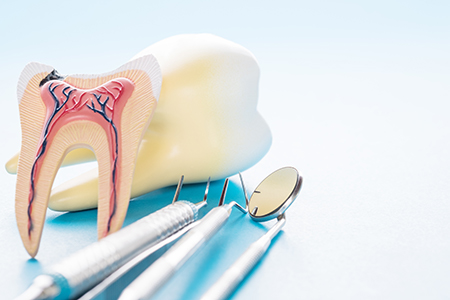
After treatment, many patients feel immediate relief from the original toothache, though some tenderness around the treated tooth is normal for a few days as surrounding tissues heal. Over-the-counter pain relievers are usually sufficient; your clinician will advise if prescription medication or antibiotics are appropriate.
Protecting the treated tooth until a permanent restoration is placed is important. A temporary filling may be in place initially, and chewing on that tooth should be minimized until a crown or other definitive restoration has been completed to restore full strength.
Good oral hygiene and regular dental checkups support the longevity of a treated tooth. With proper restoration and routine care, many endodontically treated teeth function successfully for many years — often for a lifetime.
At the office of Rhodes Ranch Dental, our goal is to guide patients through the diagnosis, treatment, and recovery process with clear information and careful attention to comfort. If you have questions about symptoms you’re experiencing or would like to discuss whether root canal therapy is appropriate, please contact us for more information.


Root canal therapy is a dental procedure that removes diseased or damaged soft tissue from inside a tooth, cleans and shapes the internal canals, and seals the space with a biocompatible material. The goal of the procedure is to eliminate infection or inflammation in the pulp while preserving the natural tooth structure whenever possible. Saving the tooth helps maintain chewing function, supports surrounding teeth, and prevents the bone loss that can follow extraction.
Clinicians recommend a root canal when the pulp has been compromised by deep decay, trauma, or repeated dental work and conservative measures are unlikely to resolve the problem. Proper diagnosis and a durable final restoration after treatment are essential to a favorable long-term outcome. Modern techniques make the procedure predictable and focused on preserving oral health and comfort.
Common signs that a tooth may require root canal treatment include persistent or severe tooth pain, prolonged sensitivity to hot or cold, and discomfort when biting or tapping the tooth. Other indicators can be changes in tooth color, visible cracks or chips that expose inner tissues, and the presence of swelling or a gum bump that suggests an abscess. Because symptoms vary, some infected teeth may cause little or no pain even as damage progresses.
Regular dental exams and targeted X-rays often reveal problems before they become emergencies, so routine care is important for early detection. If you notice any of the warning signs, prompt evaluation helps determine whether root canal therapy or another treatment is the best course. Early action typically preserves more of the natural tooth and simplifies restoration.
Diagnosis begins with a thorough clinical exam that assesses symptoms, visible signs of damage, and the tooth’s response to stimuli. Dentists commonly use dental radiographs to evaluate the extent of decay, infection, and the anatomy of the root canals, and may perform pulp vitality tests to determine nerve health. These combined assessments allow clinicians to differentiate between conditions that require root canal therapy and those better managed with other treatments.
Additional factors such as the tooth’s restorability, root structure, and the patient’s overall oral health influence the recommended approach. When imaging or signs indicate complex anatomy or persistent infection, referral to an endodontist may be advised to maximize the chance of a successful outcome. Clear communication about findings and treatment options helps patients make informed decisions about care.
After a complete exam and necessary imaging, the area is numbed with local anesthesia so the procedure is comfortable for the patient. The clinician accesses the inner chamber, removes diseased pulp tissue, and uses specialized instruments and irrigation solutions to clean and shape the canals before filling and sealing them with a biocompatible material. Depending on the tooth’s complexity and infection status, treatment may be completed in a single visit or staged across multiple appointments.
Once the internal work is finished, the tooth is restored with a durable filling and, commonly, a crown to protect the remaining structure and restore full function. At Rhodes Ranch Dental clinicians prioritize precision and patient comfort throughout the process, and they will explain any follow-up steps required to protect the treated tooth. Appropriate restoration and routine monitoring are important to long-term success.
Modern root canal procedures are performed under local anesthesia, which effectively numbs the treatment area and prevents pain during the procedure for most patients. If you are anxious about treatment, let the team know before your appointment so we can help you feel more comfortable. The focus is on a calm, controlled experience that minimizes discomfort while allowing precise work on the infected tooth.
After treatment, many patients experience relief from the original toothache, though mild tenderness or sensitivity around the treated tooth is normal for a few days as tissues heal. Over-the-counter pain relievers typically manage this post-treatment soreness, and your clinician will advise if prescription medication or antibiotics are appropriate. If severe or worsening pain occurs after treatment, prompt contact with the dental office is important to assess healing.
Depending on the tooth’s condition, alternatives may include monitoring the tooth when abnormalities are limited, performing a protective restoration if the pulp is only mildly inflamed, or extracting the tooth when it cannot be predictably saved. Extraction removes the source of infection but then raises questions about replacing the missing tooth to restore function and prevent adjacent teeth from shifting. Each option carries distinct clinical implications that should be discussed with your dentist.
In some cases a previously treated tooth may require retreatment or endodontic surgery when symptoms persist or recur, and referral to a specialist may improve outcomes for complex anatomy. The best choice depends on diagnostic findings, the tooth’s restorability, and long-term prognosis, so a careful evaluation helps guide the most appropriate plan for preserving oral health.
After the pulp is removed and the canals are sealed, the internal structure of the tooth can be more brittle and susceptible to fracture, especially in back teeth that endure heavy chewing forces. A crown covers and protects the treated tooth, restoring strength, shape, and function while preventing reinfection or structural failure. Proper restoration also helps distribute biting forces evenly and reduces the risk of future complications.
The decision to place a crown depends on factors like the amount of remaining tooth structure, the location of the tooth, and the anticipated functional demands. Your clinician will evaluate these considerations and recommend the most appropriate definitive restoration to maximize longevity and performance of the treated tooth. Routine follow-up and good oral hygiene complement the protective role of the crown.
Recovery after a root canal commonly involves a brief period of tenderness as surrounding tissues heal, and patients may resume normal activities soon after the procedure. It is important to avoid chewing on the treated tooth until a permanent restoration is placed to prevent damage to the temporary filling. Maintaining excellent oral hygiene and following the clinician’s instructions for any medications will support healing and reduce the risk of complications.
Attend follow-up appointments so your dentist can assess healing and proceed with the definitive restoration when appropriate. Routine dental visits and good home care help detect any changes early and preserve the function of the treated tooth for many years. If swelling, severe pain, or other concerning symptoms develop, contact the dental office promptly for evaluation.
Contemporary root canal therapy has high success rates when teeth are accurately diagnosed, properly treated, and restored with durable final restorations. Many endodontically treated teeth function successfully for decades when the root canal is well-executed and the tooth is protected from fracture and reinfection. Regular dental care and monitoring play an important role in maintaining the longevity of treated teeth.
Factors that influence success include the severity of infection prior to treatment, the anatomy of the root canals, the quality of the restoration, and the patient’s overall oral health. In cases of recurring infection or complex anatomy, retreatment or specialist care can often address problems and preserve the tooth. Open communication with your dental team helps set realistic expectations and supports long-term outcomes.
Contact the office of Rhodes Ranch Dental or your dental provider promptly if you experience severe or worsening pain, persistent swelling, fever, or signs of spreading infection following a root canal procedure. These symptoms may indicate complications such as persistent infection or an incomplete seal and require timely evaluation. Early assessment helps determine whether further treatment, medication, or additional intervention is necessary to protect your health.
Minor soreness and mild swelling are common in the days after treatment and usually resolve with conservative care, but any rapid changes or systemic symptoms should not be ignored. Keeping emergency contact information and following post-operative instructions reduce risk and support prompt resolution if problems arise. Your dental team can advise you on next steps and arrange urgent care when indicated.

Ready to schedule your next dental appointment or have questions about our services?
Contacting Rhodes Ranch Dental is easy! Our friendly staff is available to assist you with scheduling appointments, answering inquiries about treatment options, and addressing any concerns you may have. Whether you prefer to give us a call, send us an email, or fill out our convenient online contact form, we're here to help. Don't wait to take the first step towards achieving the smile of your dreams – reach out to us today and discover the difference personalized dental care can make.
